English






tubopestcontrol@gmail.com 0478 628 586
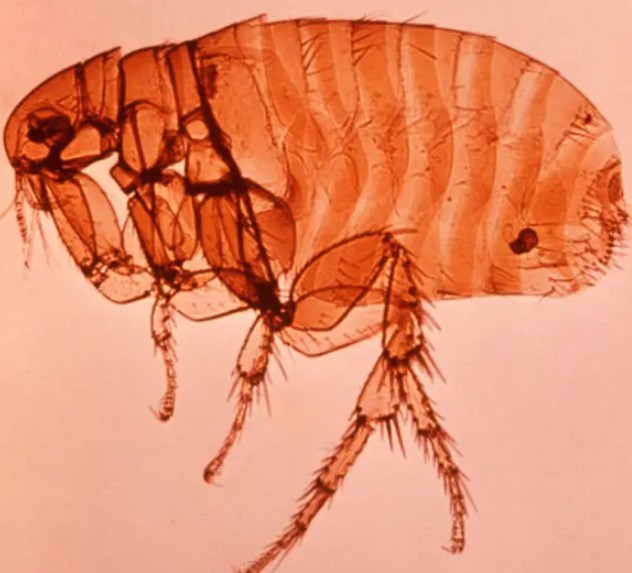

Cat Fleas Australia
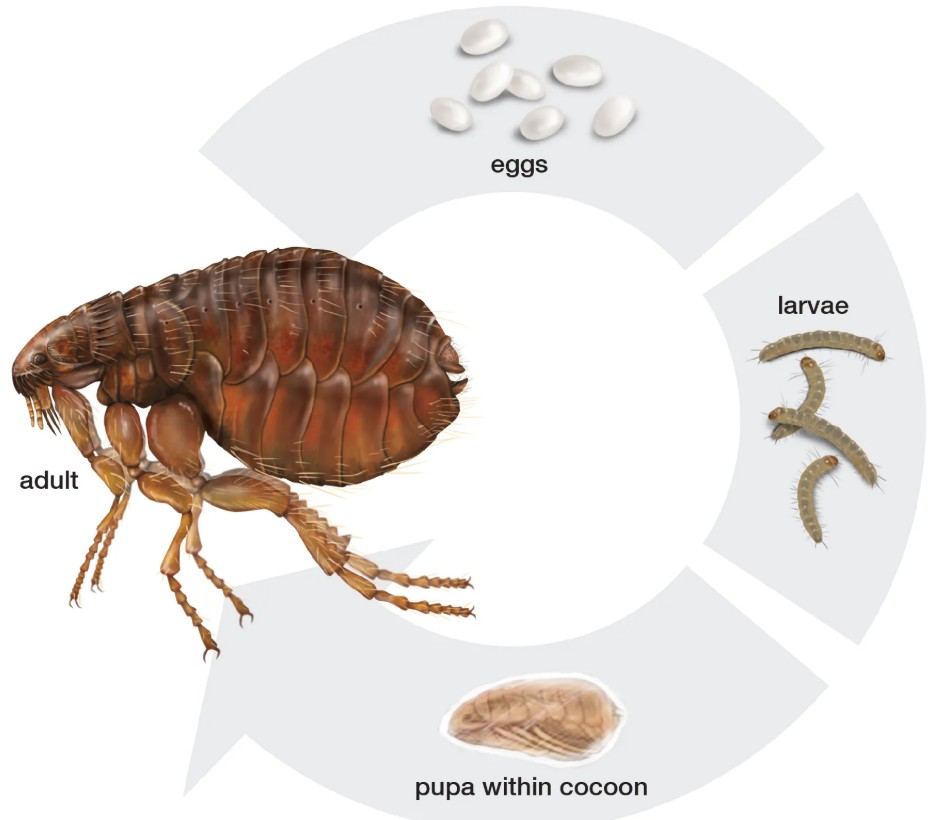
Cat fleas begin reproduction about 1 or 2 days after a blood meal from a host. Female fleas lay eggs as they feed and move about on the surface of the skin. A single female flea can produce up to 50 eggs per day and about 2,000 in her lifetime. The eggs are pearly white, oval, and tiny. They readily fall from the fur and drop onto bedding, carpet, or soil, where they hatch in 1 to 6 days. Newly hatched flea larvae are mobile and free-living, feeding on organic debris found in their environment and on adult flea droppings. Flea larvae avoid direct light and actively move deep into carpet fibers or under organic debris (grass, branches, leaves, or soil).
Larvae can easily dry out, and exposure to relative humidity under 50% will kill them. However, they are capable of moving as far as 3 feet (1 meter) to find locations suitable for their survival. Indoors, flea larvae best survive in the protected environment deep within carpet fibers, in cracks between hardwood floor boards, and on unfinished concrete floors in damp basements. Flea development occurs outdoors only where the ground is shaded and moist. The larval stage usually lasts 5 to 11 days but may be prolonged for 2 to 3 weeks, depending on the availability of food and the environmental conditions.
After completing its development, the mature larva produces a silk-like cocoon in which it pupates. The pupa is fully developed in 1 to 2 weeks, but the adult flea may remain in the cocoon for several weeks (and even up to a year) until a suitable host arrives. When it emerges from the cocoon, it can survive 1 to 2 weeks before finding a host on which to feed. It is the newly emerged, unfed fleas that infest pets and bite people. Fleas generally do not leave their host unless forced off by grooming or insecticides. Cat fleas in any stage of the life cycle cannot survive cold temperatures. They will die if the environmental temperature falls below 37°F (3°C) for several days.
Depending on temperature and humidity, the entire life cycle of the flea can be completed in as little as 12 to 14 days or last up to 350 days. However, under most conditions, fleas complete their life cycle in 3 to 8 weeks. Fleas mate after feeding, and females lay eggs within 1 to 2 days of their first blood meal.
The Pests That Bother Your Pets: Fleas
A flea-infested cat or dog can easily introduce fleas into a home where they deposit eggs that develop into newly emerging fleas. These then infest other pets and bite people.
Elimination of fleas in the yard can be an important aspect of flea control. Wild animals and stray cats and dogs can bring fleas into your yard. Even pets that only go outside for brief periods can become infested. In addition, people may unintentionally bring fleas into their households. Outdoor treatments should concentrate on primary areas of flea development, including shaded or moist areas such as dog houses, within garages, under porches, and in animal lounging areas beneath shrubs. Spraying flea control products over the large expanse of a shade-free lawn generally has limited effect on fleas and is poor environmental practice.
In cases of massive flea infestations or severe pet or human flea allergies, treatment of the house may also be necessary. Washing pet blankets, throw rugs, and pet carriers is helpful. Thoroughly vacuum any area where your pets sleep or rest, giving special attention to crevices in sofas and chairs and to areas beneath sofas or beds. Insecticides for the home are available in sprays and foggers; your veterinarian can recommend an appropriate product that is safe to use around cats. Areas where flea eggs and larvae gather, such as bedding, furniture, carpets, the tiny spaces in hardwood flooring, behind baseboards, and within closets, should be treated. In severe infestations, a second treatment may be necessary 7 to 10 days later.
Contact: Bill
Phone: 0478 628 586
Tel: 0478 628 586
Email: tubopestcontrol@gmail.com
Add: 36 Higgs street, Deception Bay
We chat