English






tubopestcontrol@gmail.com 0478 628 586

Black Widow Spiders Australia
Black Widow Spiders Australia
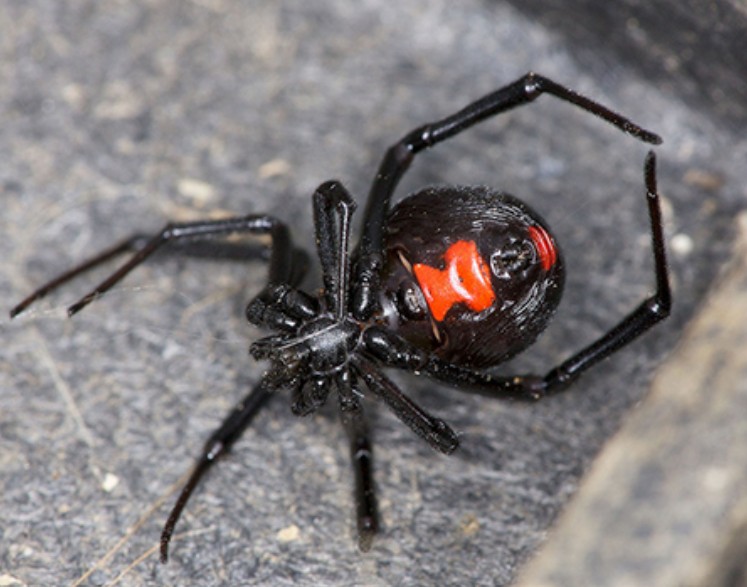
Black Widow bites
Australian Black widow bites can affect animals and humans. Smaller animals and bugs may be more vulnerable to black widow venom. Larger animals may experience localized pain and swelling, but severe reactions are rare.
Human reactions vary depending on factors like age, health, and the amount of venom injected. Black widow bites typically cause immediate pain, redness, and swelling. In some cases, symptoms like muscle cramps, abdominal pain, and nausea can occur.
If a black widow spider bites you, seek medical attention promptly to manage symptoms and receive appropriate care.
What to do if you see a black widow spider?
If you see a black widow spider, here are some safety tips:
Do not provoke: Avoid provoking or disturbing the spider. Black widows are shy and usually only bite in self-defense.
Maintain your distance: Keep a safe distance from the spider to prevent accidental bites.
Avoid handling: Refrain from handling the spider or attempting to capture it without the help of a professional.
Call a professional: Pest control professionals have the expertise and proper equipment to safely remove spiders and address infestations.
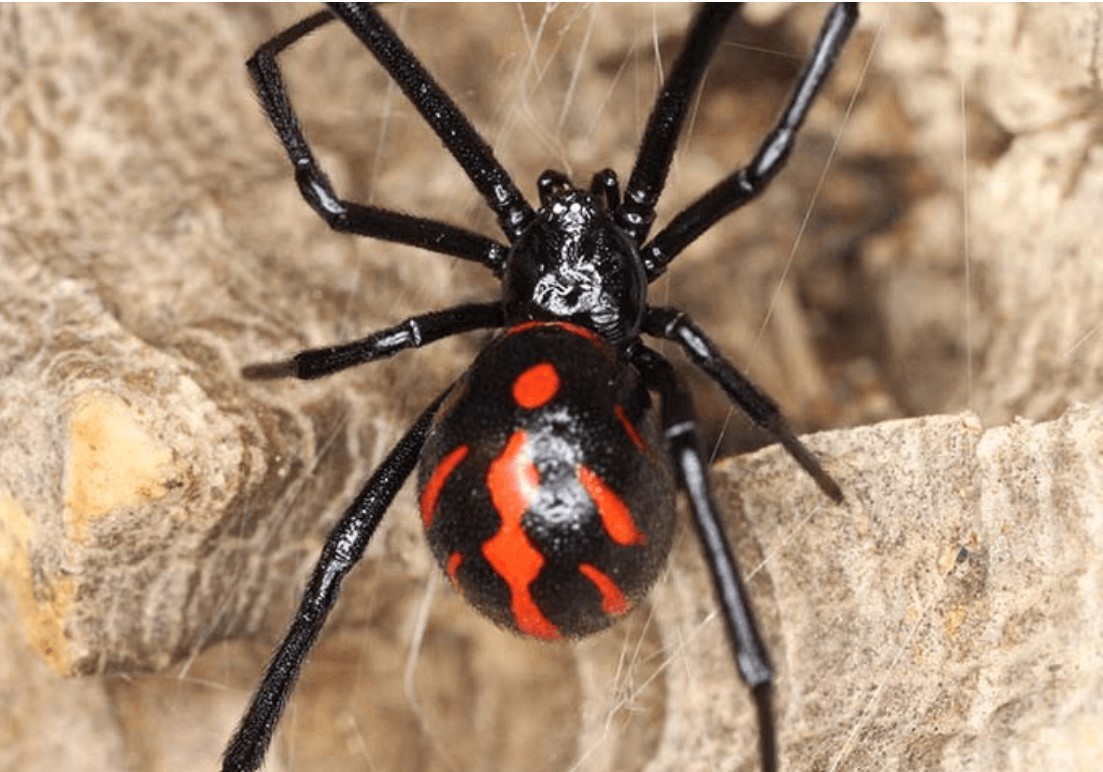
Black widow identification is crucial when determining what spider species is present. Tubo Pest technicians have the knowledge required to identify the spider species present and determine the best removal method.
Habitat
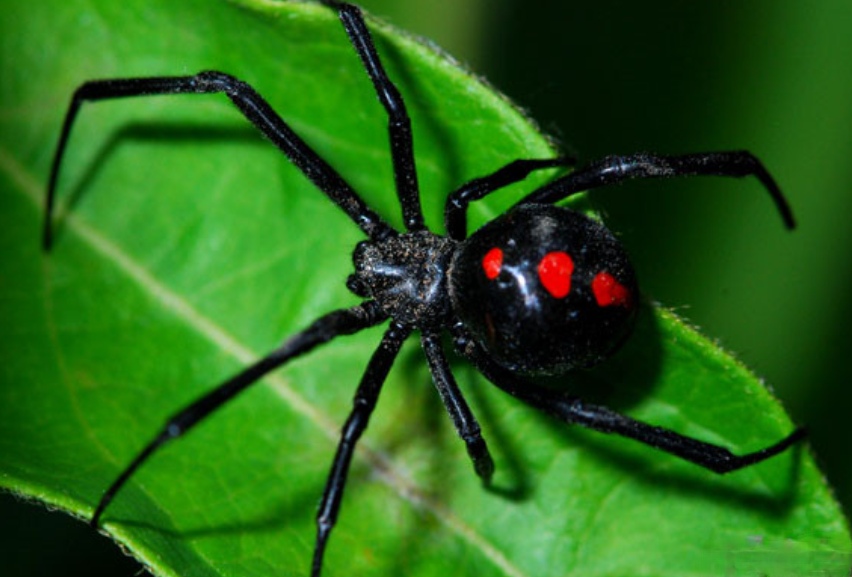
Black widow spiders are commonly found around homes, garages, barns, and other man-made structures. They build tough, irregularly shaped webs with strands running in many directions. The “messy” looking webs are often found in or behind objects in secluded and protected locations. During the summer they are known to set up house near porch lights in order to make an easy meal of the insects that gather there. They hide during the day and often hang upside down in their webs at night.
Life Cycle
Newly hatched black widows are white with black spots on their abdomens and a cream-colored hourglass. Later, they become cream and brown-striped, before entering their mature color phase. The black widow requires about four months from egg to maturity with the females going through six to nine molts. Over their one- to two-year life span the females produce several egg sacs, each containing several hundred eggs. Female black widows guard the sac, which resembles a silken cocoon, until the eggs hatch. During this time she is most likely to bite. Eggs are most frequently encountered between May to October.
How To Observe
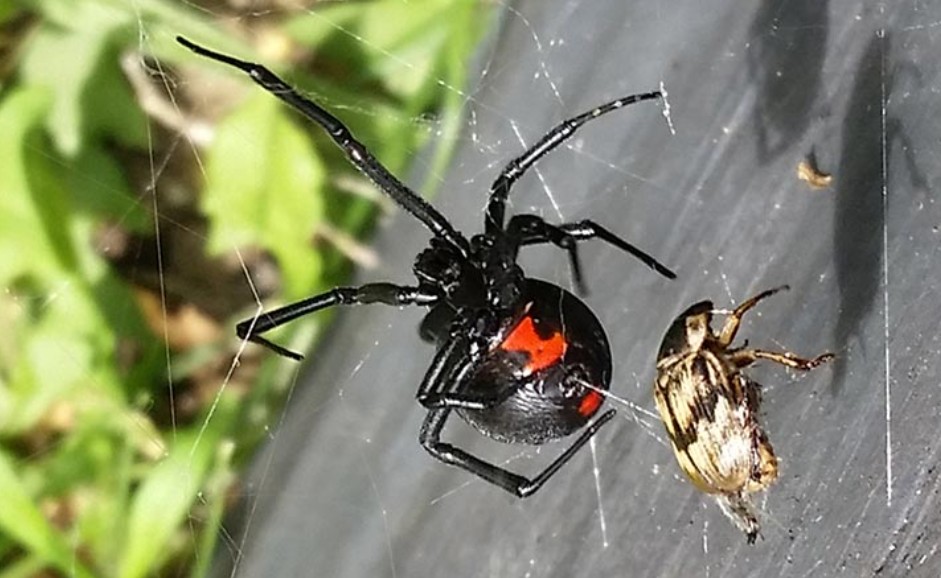
Contact with black widows can be avoided or minimized by observing these practices:
Be cautious when picking up or moving objects, particularly in outbuildings such as shed or garages, or in shady undisturbed areas such as under parked cars or in flower pots.
Although they are not commonly found indoors it is always a good idea to shake out and check clothing before putting it on (for brown recluse spiders and scorpions as well).
Manage household, yard and garden insects (roaches, crickets etc.). Lack of food will discourage spiders and force them to move elsewhere.
Keep outdoor lighting off as much as possible to prevent luring the insects upon which these spiders feed.
Remove collections of paper, boxes, rubbish piles in the house, attic, storage areas, etc.
Contact: Bill
Phone: 0478 628 586
Tel: 0478 628 586
Email: tubopestcontrol@gmail.com
Add: 36 Higgs street, Deception Bay
We chat