English






tubopestcontrol@gmail.com 0478 628 586
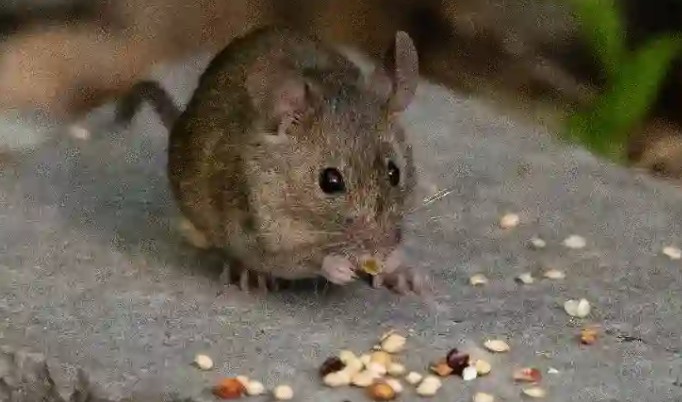

Australia House Mice
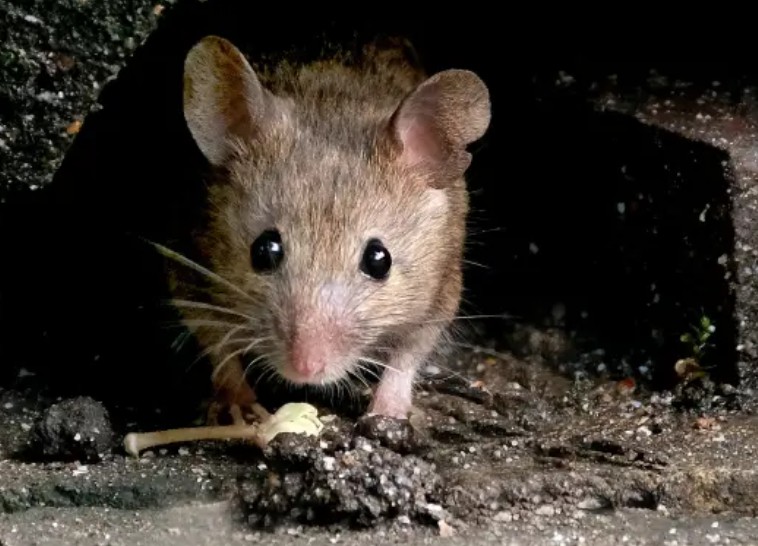
House mice are perfectly comfortable living just about anywhere, including urban and residential areas. Both may enter homes and other buildings year-round, particularly as they search out for winter in Australia. House mice are highly adaptable and thrive in human environments, often living entirely indoors in cities where they survive on crumbs and accessible food sources. Unlike other mouse species, house mice are more neophobic, meaning they are cautious of new objects like traps, making them harder to catch and control. This behavior highlights the importance of professional pest control methods tailored to outsmart these elusive rodents.
Field mice, on the other hand, typically stick to open areas, like parks, fields, and forests. One of the primary behavioral differences is the field mouse’s habit of stockpiling food in and near their nests.
House mice are typically most active at night, usually feeding around dusk and dawn. They are sneaky little creatures that tend to be more active when humans are asleep, so you may not see them in action or spot a live mouse. Instead, you will likely find other indicators that send up a red flag.
Droppings, usually dark colored with pointy ends and about the size of a grain of rice (1/8 to 1/4 inch long)
Damaged items in pantries, on counters, and in other areas
Tracks and rub marks, which mice can leave as they travel along walls and walkways in search of food
Gnaw marks on food packages, walls, and other items
Burrows, including into insulation
Odors, which increase in intensity as the infestation grows
Performing a thorough home inspection can help you discover where mice are nesting. It can also help you identify where and how they are getting inside. Some places to focus on as you look for mice and any openings they are using (as small as the width of a dime) include:
Inside, behind, and under kitchen and bathroom cabinets and appliances
Around vents and utility lines, which may have gaps just large enough for a house mouse to squeeze through
Around fireplaces, closet floors, and doors
If you think you have a mouse problem, swift action is critical. These rodents are known to breed quickly, and infestations can rapidly grow larger when left unchecked.

Although you can try traps and bait stations, prevention really is the best cure. DIY control methods often fail to eliminate the problem because you never really get to the root of it. However, preventative steps can provide effective long-term control. Some actions to consider include:
Storing all food, including pet food and bird seed, in airtight, lidded containers
Reducing clutter to eliminate potential hiding and nesting spots
Regularly cleaning all eating areas, wiping up spills, and washing dishes immediately after eating
Vacuuming or sweeping floors frequently to reduce crumbs
Contact: Bill
Phone: 0478 628 586
Tel: 0478 628 586
Email: tubopestcontrol@gmail.com
Add: 36 Higgs street, Deception Bay
We chat