English






tubopestcontrol@gmail.com 0478 628 586

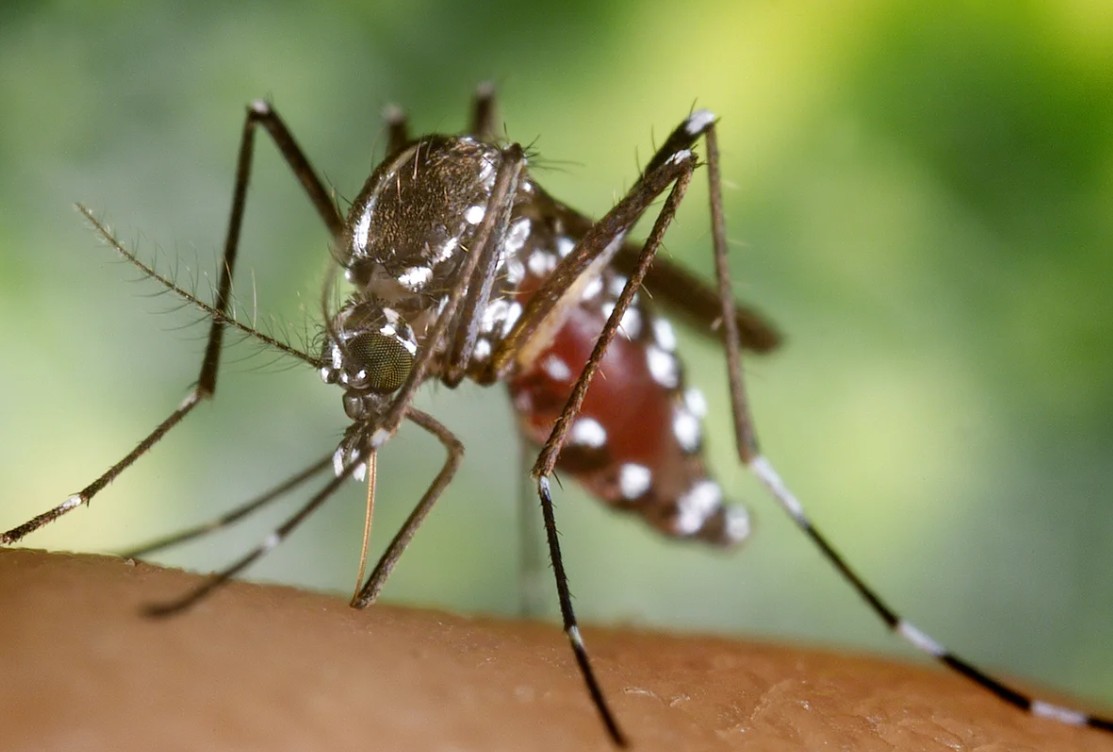
Culex species mosquitoes
Culex pipiens, Cx. quinquefasciatus, and Cx. tarsalis mosquitoes live in the Australia and some Asian countries. Culex mosquitoes can spread West Nile, St. Louis encephalitis, and eastern equine encephalitis viruses. Culex mosquitoes also spread Japanese encephalitis and Oropouche viruses.
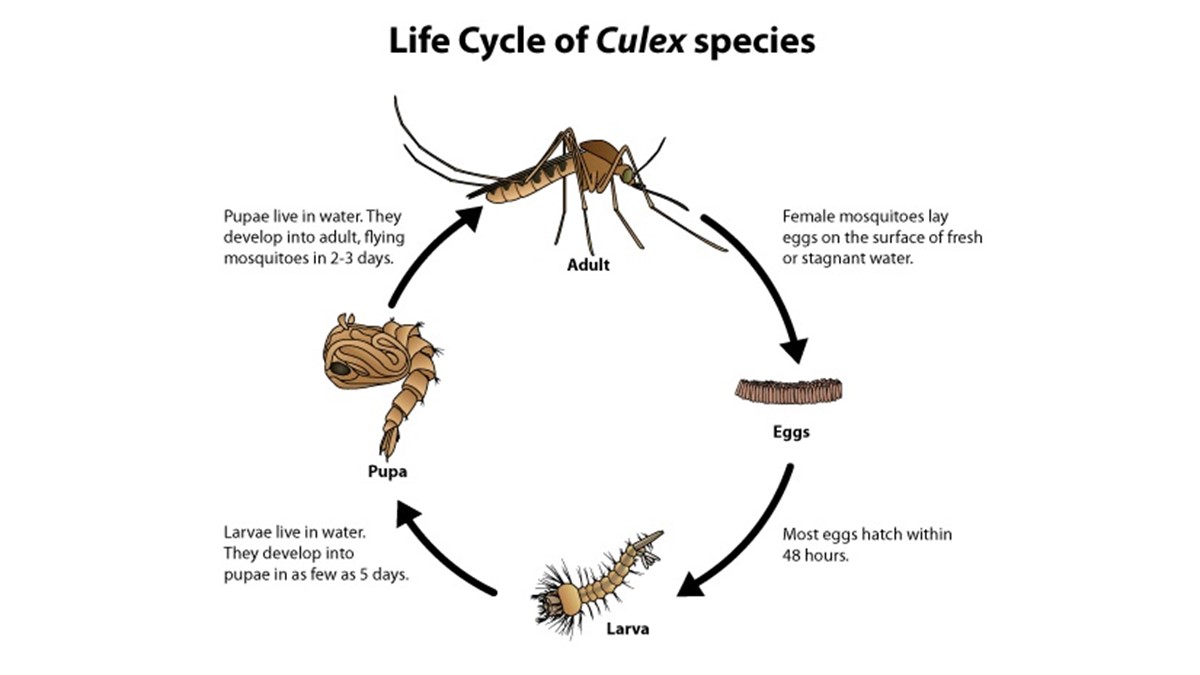
Adult female Culex mosquitoes prefer to lay their eggs on the surface of permanent standing water like ponds, edges of lakes, swamps, unmaintained swimming pools, and wastewater treatment plants. They also use floodwater areas, like storm drains, ditches, low-lying pastures, and agricultural areas (citrus groves or rice fields). Sometimes they use small containers around the home like buckets, unused tires, planters, toys, birdbaths, or flowerpots.
A female Culex mosquito lays eggs one at a time. Eggs stick together to form a raft of 100–300 eggs. The raft floats on the water.
A Culex mosquito egg takes 7–10 days to develop into an adult mosquito.
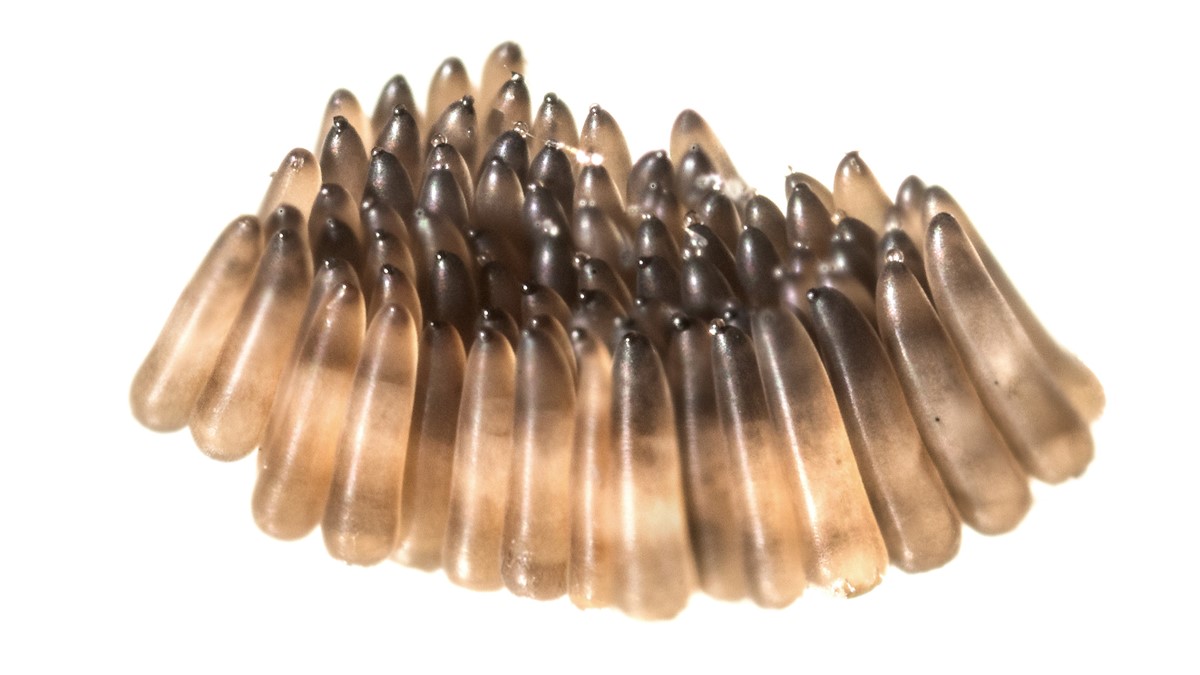 Eggs stick together to form a raft.
Culex larvae hatch from mosquito eggs and live in water.
Larvae can be seen in the water. They are very active and are often called "wigglers."
They feed on a variety of things found in the water.
Larvae shed their skin (molt) several times during this stage.
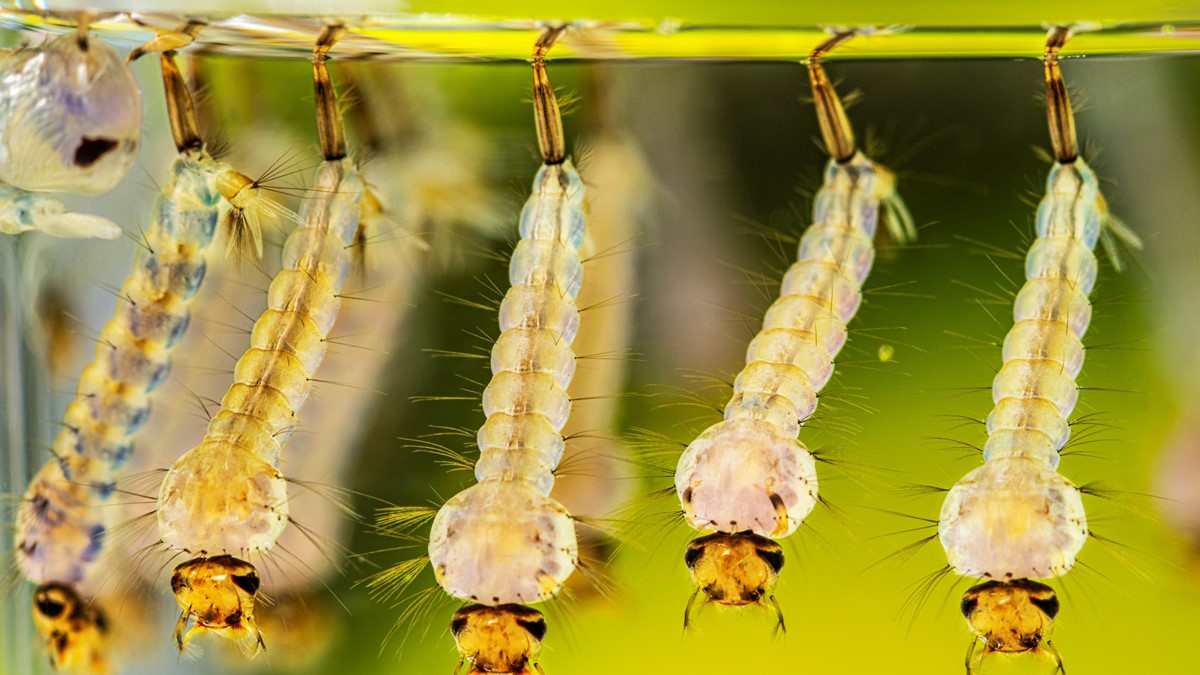 Culex larvae live in the water.
Culex pupae live in water. Pupae do not have external mouthparts and do not feed during this stage.
An adult mosquito emerges from a pupa and flies away.
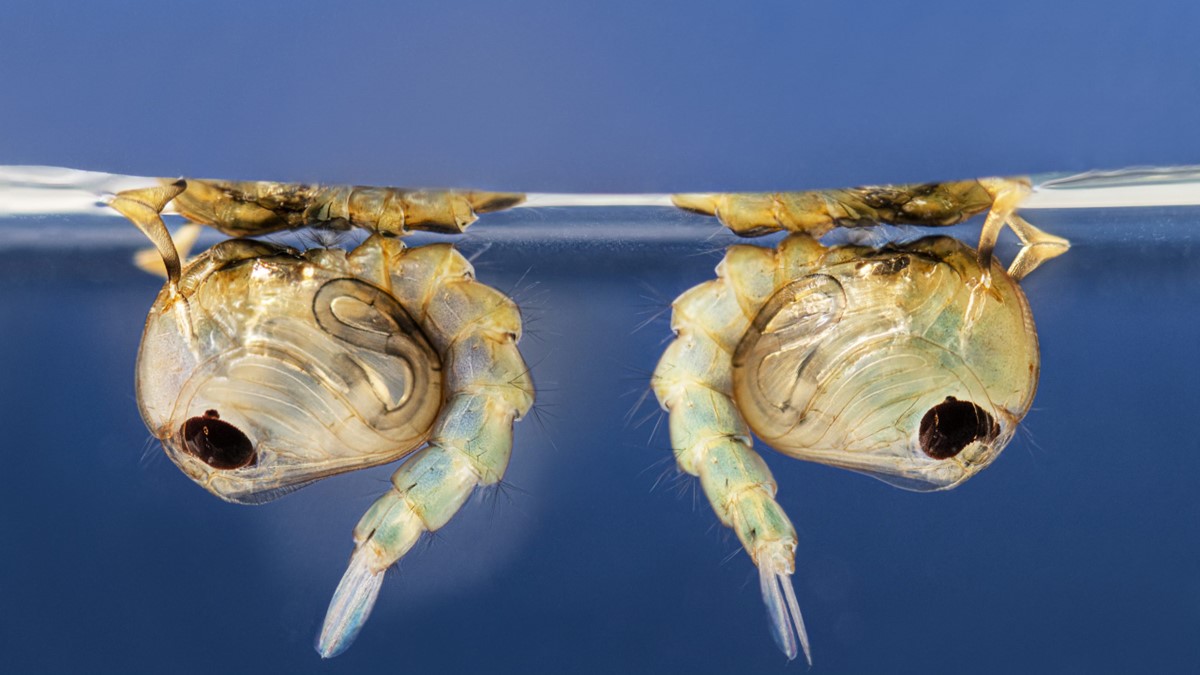 Culex pupae rest just below the water surface.
Adult Culex mosquitoes are most active from dusk to dawn.
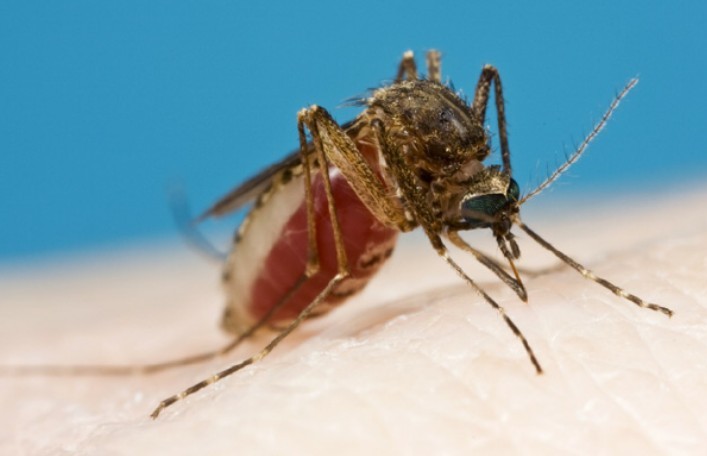
Adult female Culex mosquitoes bite people and animals. Female mosquitoes need blood to produce eggs.
After blood feeding, female mosquitoes look for water sources to lay eggs. Several days pass between feeding and looking for a place to lay eggs.
Culex mosquitoes don’t fly long distances but have been known to fly up to 2 miles (3.2 km).
Some Culex mosquitoes prefer to live near and bite birds. They bite people when other animals are not nearby.
When they are not active, Culex mosquitoes usually rest in grass, shrubs, and other thick vegetation where it is cool, dark, and humid.
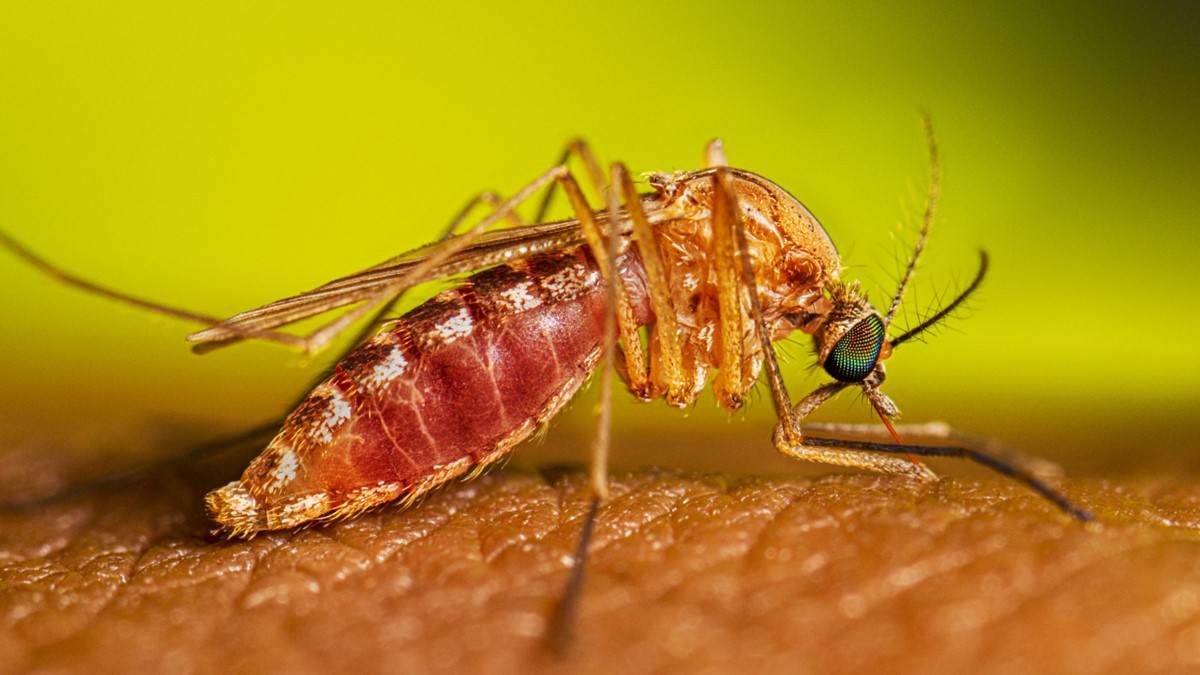 Female Culex mosquito taking a blood meal from a person.
Controlling mosquitoes helps decrease the number of Culex mosquitoes that could spread viruses to people.
Local mosquito control professionals monitor the number of Culex mosquitoes in a community and whether they are infected with viruses that could make people sick. If the number of mosquitoes in an area becomes too high or if they are found to be infected with viruses that can make people sick, mosquito control professionals may use products to kill Culex larvae (larvicides) or adults (adulticides).
People can use mosquito dunks or other larvicides in smaller areas with permanent standing water like ponds or unmaintained swimming pools to control mosquitoes around your home. This helps kill Culex larvae before they grow into adult mosquitoes that could spread viruses.
Adulticides can be an important tool to quickly decrease the number of adult Culex mosquitoes. Home and landowners who have questions, concerns, or want information about using adulticides can contact a local mosquito control district or program or licensed professional about:
Using adulticides on your property to treat areas where adult mosquitoes rest.
Treating larger areas with permanent standing water on or near your property, such as agricultural areas, low-lying pastures, and wastewater treatment plants.
Contact: Bill
Phone: 0478 628 586
Tel: 0478 628 586
Email: tubopestcontrol@gmail.com
Add: 36 Higgs street, Deception Bay
We chat