English






tubopestcontrol@gmail.com 0478 628 586
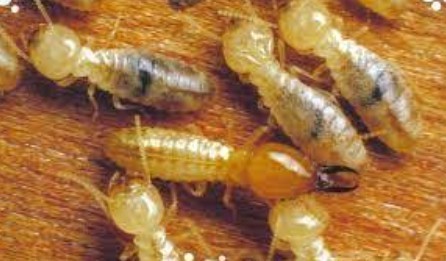

Termite Coptotermes acinaciformis
Termite Coptotermes acinaciformis Australia
What Are Coptotermes acinaciformis?
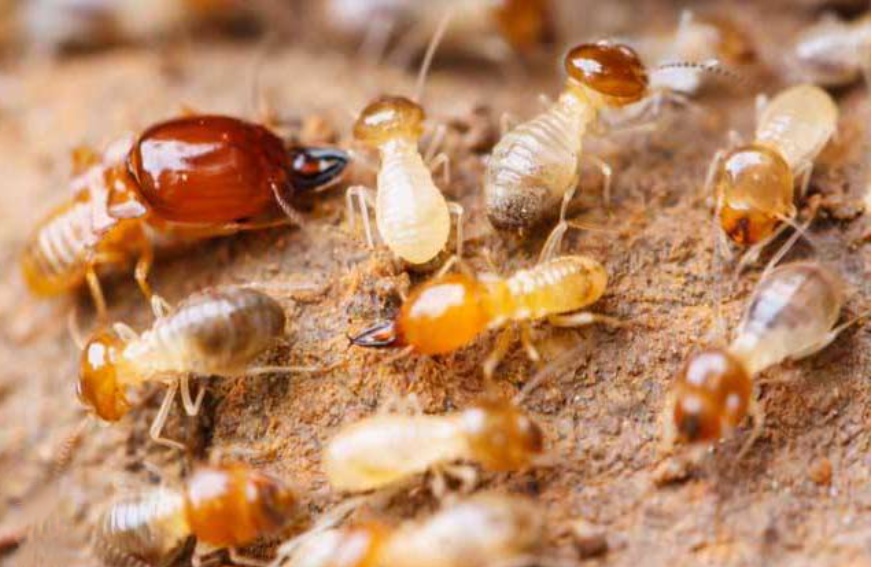
Coptotermes acinaciformis is one of the most aggressive and economically devastating termite species in Australia. Commonly found in Sydney and surrounding regions, this subterranean termite causes extensive damage to homes, buildings, and timber structures. Their colonies can contain over a million individuals and forage up to 50 metres in search of food.
Unlike drywood termites, Coptotermes require moisture and soil contact. They construct elaborate mud tunnels to access food sources without exposure to open air. Their ability to stay hidden while consuming timber from the inside out makes early detection critical.
Key Identification Features
· Pale cream workers with soft bodies
· Large colonies containing soldiers with strong mandibles
· Build mud tubes along foundations, walls, or subfloor spaces
· Most active in humid environments and often nest near moisture sources
Why They’re a Serious Threat in Brisbane
Coptotermes acinaciformis termites are responsible for more structural damage in Australia than all natural disasters combined. They target softwood and hardwood timbers, often in unseen locations like subfloors, wall cavities, and roof voids. In Sydney’s warm, humid climate, these termites thrive year-round.
Signs of Infestation:
Detecting a Coptotermes acinaciformis infestation can be challenging due to their secretive nature and ability to remain hidden within the structure. Here are some common signs of infestation:
Mud tubes: These pencil-thin tubes made of soil and termite feces can be found on foundation walls, piers, or along plumbing and electrical lines, providing termites with a protected route into your home.
Damaged wood: Infested wood may appear hollowed out or produce a hollow sound when tapped. You might also notice a honeycomb-like pattern in the damaged wood, indicating termite activity.
Swarming: Winged reproductive termites, or alates, typically emerge in warm, humid weather to mate and establish new colonies. You may see swarming termites near light sources or find discarded wings near doors, windows, or vents.
Frass (termite droppings): Drywood termites produce pellet-shaped fecal matter, while subterranean termites like Coptotermes acinaciformis mix their droppings with soil to create mud tubes.
Prevention and Control Methods:
Preventing a Coptotermes acinaciformis infestation is crucial to protect your property and family from the potential damage these termites can cause. Here are some effective prevention and control methods to consider:
Eliminate wood-to-ground contact: Termites are more likely to infest wooden structures that are in direct contact with the soil. Ensure that wooden elements of your home, such as siding, porch steps, and deck posts, are at least 6 inches above the ground.
Reduce moisture: Subterranean termites thrive in damp environments. Repair leaking faucets, pipes, and air conditioning units, and ensure that gutters and downspouts are functioning properly to direct water away from your home’s foundation.
Seal entry points: Seal any cracks or gaps in your home’s foundation, walls, and around plumbing and electrical lines to prevent termites from entering your home.
Regular inspections: Schedule professional termite inspections annually to detect and address any infestations early on.
Chemical barriers: A licensed pest control professional can install a chemical barrier around your property to prevent termites from accessing your home. There are two types of chemical barriers: liquid termiticides and baiting systems. Liquid termiticides are applied to the soil surrounding your home, while baiting systems use strategically placed bait stations to attract and eliminate termite colonies.
Physical barriers: Installing physical barriers such as metal termite shields, stainless steel mesh, or crushed granite can help prevent termites from entering your home. These barriers should be installed during the construction phase and require regular maintenance to ensure their effectiveness.
Proper storage of firewood and lumber: Store firewood and lumber at least 20 feet away from your home and elevated off the ground to reduce the likelihood of attracting termites.
Regular monitoring: Keep a close eye on any signs of termite activity, such as mud tubes, damaged wood, or discarded wings, and take immediate action to address any potential infestations.
Contact: Bill
Phone: 0478 628 586
Tel: 0478 628 586
Email: tubopestcontrol@gmail.com
Add: 36 Higgs street, Deception Bay
We chat